
Complications Clinic
Our clinic can provide consultations to assess post-procedure aesthetic concerns. During consultation, a qualified health practitioner will review your medical history, examine the area of concern and discuss appropriate next steps.
Assessments may relate to procedures performed at this clinic or elsewhere.
The purpose of the Complications Clinic is clinical evaluation and guidance. Any outcomes, recovery or resolution vary between individuals and cannot be guaranteed.
What may be discussed in consultation
For suitable individuals, consultation may address concerns relating to:
swelling, firmness, asymmetry or tissue changes after cosmetic procedures
skin or tissue changes following injectable or device-based treatments
areas that feel unusual, uncomfortable or appear different from expected outcomes
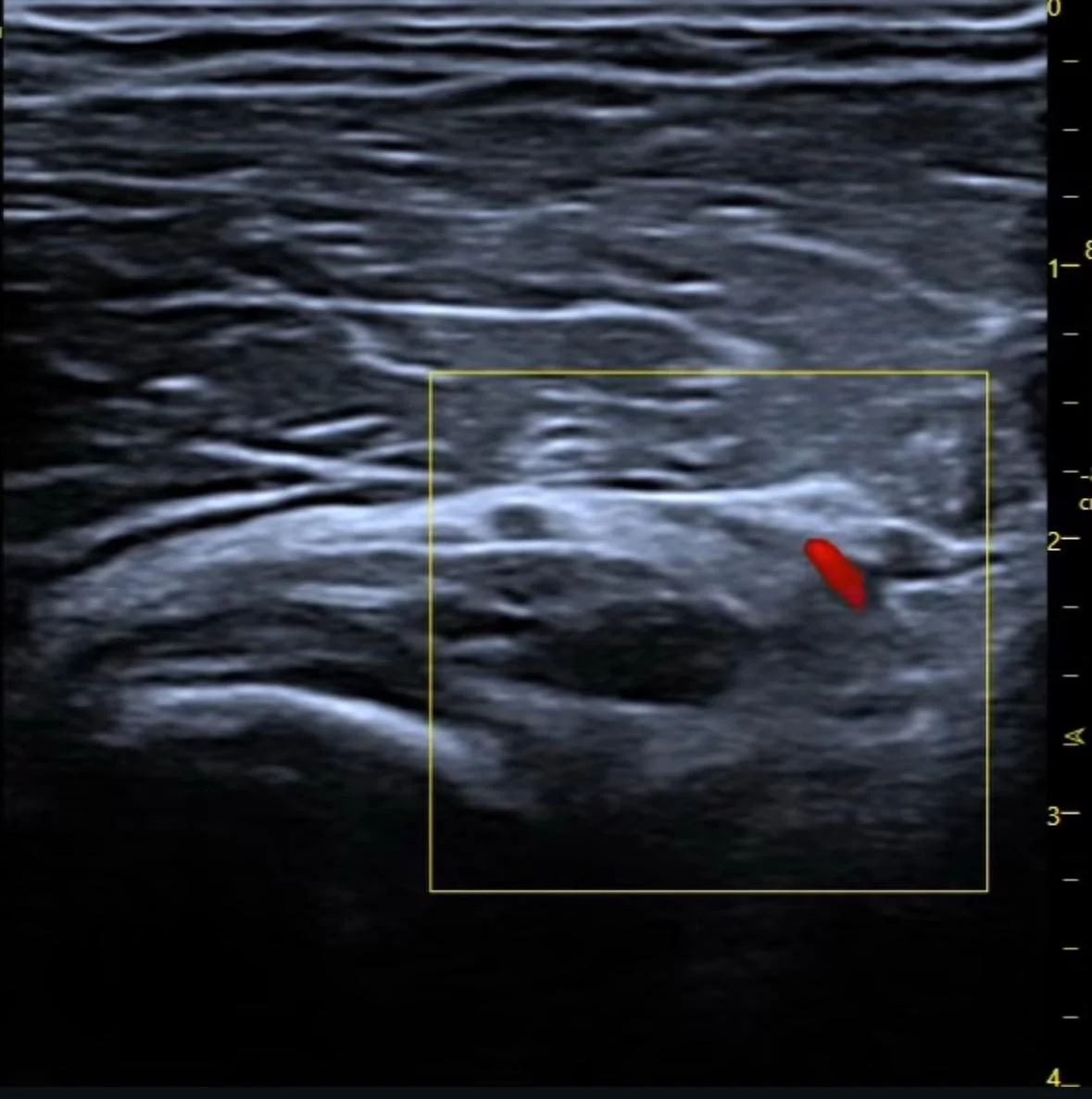
Assessment may also include ultrasound imaging, where appropriate, to assist clinical evaluation of tissue characteristics or product location.
These concerns are assessed during consultation to determine whether monitoring, referral or further clinical management may be appropriate.
Any discussion or use of prescription-only medicines occurs only during a private consultation with an appropriately qualified prescriber, in accordance with Australian regulatory requirements.
Who may be considered suitable
he Complications Clinic may be appropriate for individuals who:
have noticed unexpected or persistent changes following a cosmetic procedure
would like a professional clinical assessment of post-procedure concerns
wish to understand possible next steps or management options
Suitability and management options are determined after consultation and clinical assessment.
How the consultation works
During a Complications Clinic appointment, your practitioner will typically:
Take a detailed history. This may include:
your medical history and current medications
details of previous aesthetic procedures where known
the timing and progression of the concern you are experiencing
Perform a clinical examination
This may include:
visual and tactile assessment of the treatment area
evaluation of skin, tissue and structural characteristics
ultrasound imaging, where appropriate, to assist assessment
Discuss possible management pathways
Depending on the findings, the practitioner may discuss options such as:
observation and monitoring over time
non-prescription supportive measures
referral to another health professional, such as a GP, dermatologist, ophthalmologist or other specialist
discussion of whether medical intervention may be appropriate, if clinically indicated, during consultation with a prescriber
In some cases, no active intervention may be recommended
Safety, Risks and Aftercare
All clinical assessments and any subsequent procedures carry risks and may not be suitable for everyone.
Before any intervention is recommended, your practitioner will:
review your medical history and relevant health information
examine the area of concern
explain the proposed approach, limitations and alternatives, including choosing not to proceed
discuss possible risks and side effects, including less common but more serious complications
Where ultrasound imaging is used, temporary effects may include:
mild redness
temporary pressure marks at the probe site
brief skin sensitivity
If further treatment is recommended (whether at this clinic or another medical service), your practitioner will:
explain the potential benefits, limitations and alternatives
discuss possible risks and side effects
provide individualised aftercare guidance where appropriate
If signs of a serious complication are identified, you may be advised to seek urgent medical care or hospital assessment without delay.
Frequently Asked Questions
We’re all about transparency and want to provide you with the information you need to make informed decisions about your aesthetic journey. If you have any additional questions or concerns, please reach out – our knowledgeable team is here to assist you every step of the way.
-
The Complications Clinic is a clinician-led assessment service for people who are worried about changes after aesthetic procedures, such as swelling, unevenness, firmness, colour changes or other unexpected outcomes. The focus is on evaluation and guidance, rather than on promoting specific treatments.
-
Assessments are carried out by qualified health practitioners (for example, doctors or nurse practitioners) with experience in aesthetic medicine and in recognising and managing cosmetic treatment-related complications. In some situations, they may recommend that your care is shared with or transferred to another medical specialist.
-
Where appropriate, diagnostic ultrasound may be used to help visualise soft tissue structures, product placement or areas of concern. This imaging can assist the clinician in understanding what is happening beneath the skin and inform recommendations for further management. Not all cases require ultrasound; its use is decided on an individual basis.
-
Not necessarily. Some situations may be best managed with observation, minor supportive measures or referral for further medical or specialist care. The first visit typically focuses on assessment and planning. Your clinician will explain what is known, what is uncertain, and what follow-up or additional care may be advisable.
-
Any consideration or use of prescription-only medicines (including dissolving agents and other Schedule 4 products) can only occur during a consultation with an appropriate prescriber and is not promoted in advertising. If such options are clinically appropriate, risks, benefits, limitations and alternatives will be discussed privately in accordance with Australian regulations.
-
If possible, bring:
Any available information about your previous treatment(s), such as dates, clinic details, or product names (if known)
Photos from before and after the procedure, if you have them
It is helpful to avoid heavy makeup over the area of concern so the skin and tissues can be examined clearly.
-
At the end of your visit, your clinician will:
Summarise the findings from your history, examination and any imaging
Outline recommended next steps, which might include observation, supportive measures, referral to another practitioner or discussion of possible medical interventions
Provide any relevant aftercare advice, including what to monitor and when to seek urgent medical attention
You are encouraged to ask questions so you can make informed decisions about your ongoing care.
-
Yes. The Complications Clinic is open to people who have had procedures at Ageless Clinics or at other providers. You may be encouraged to also involve your original treating practitioner or other medical specialists, depending on the issue.