
Intense Pulsed Light (IPL)
Now Available at Ageless Clinics
IPL uses broad spectrum light to target pigment, redness and uneven tone in a single treatment, tailored to your skin during a consultation with Dr Maryam.
Some people want to reduce the appearance of sun damage, redness or uneven tone. At Ageless Clinics, this begins with a consultation with Dr Maryam.
Dr Maryam assesses your skin, reviews your medical history, and discusses whether IPL or another approach may be appropriate for your individual circumstances.
How your skin responds depends on factors including your skin type, tone and the concern being treated. Any change in appearance varies between individuals and cannot be guaranteed.
What IPL can help with
One session, several concerns. Your treatment plan is set during your consultation, based on your skin.
Sun damage: Targets pigment built up from years of sun exposure.
Redness & rosacea: Addresses visible blood vessels and persistent facial redness.
Uneven tone: Works on patchy or inconsistent pigmentation across the face.
Broken capillaries: Treats small visible vessels close to the skin's surface.
Broad spectrum light, one session at a time.
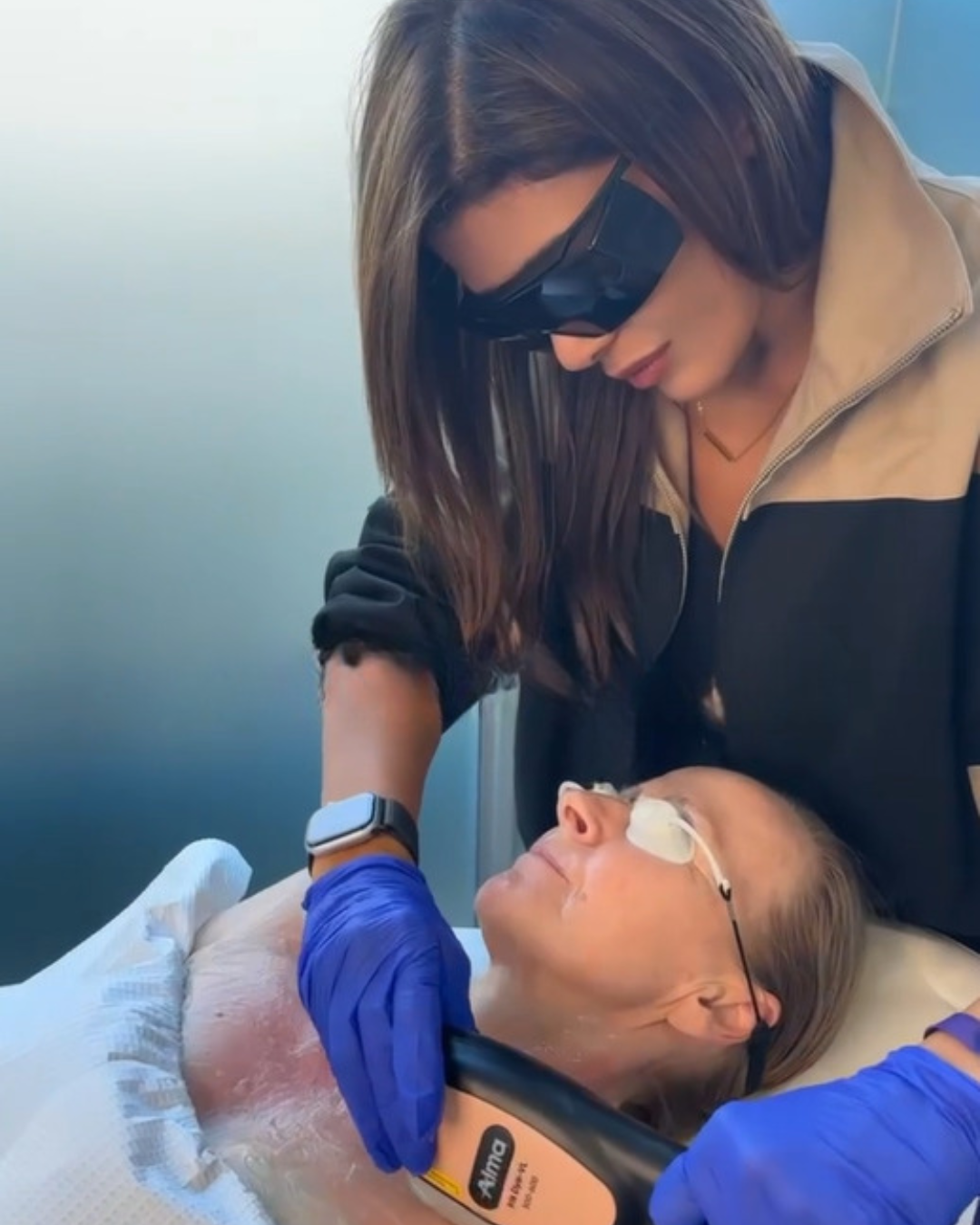
IPL delivers pulses of light across multiple wavelengths. Pigment and blood vessels absorb this light and convert it to heat, which the treatment uses to target the concern.
Because IPL covers a broader range than a single-wavelength laser, one session can address more than one concern at a time, depending on what your skin needs.
Dr Maryam assesses your skin at consultation and builds a treatment plan around your concerns. A consultation is required before any treatment.
What consultation covers
Review of your medical history, medications and relevant health information
Assessment of your skin type and skin characteristics
Examination of the tattoo pigment or pigmentation concern, including colour, depth, density and location
Discussion of your concerns, expectations and the proposed procedure
Explanation of limitations, alternative options, and possible risks and side effects
Advice on whether a test spot may be appropriate before treatment begins
LAUNCH OFFER
10% off Intense Pulsed Light Treatment
Consultation required. Suitability assessed individually. Individual results vary and cannot be guaranteed.
Safety, risks and what to expect
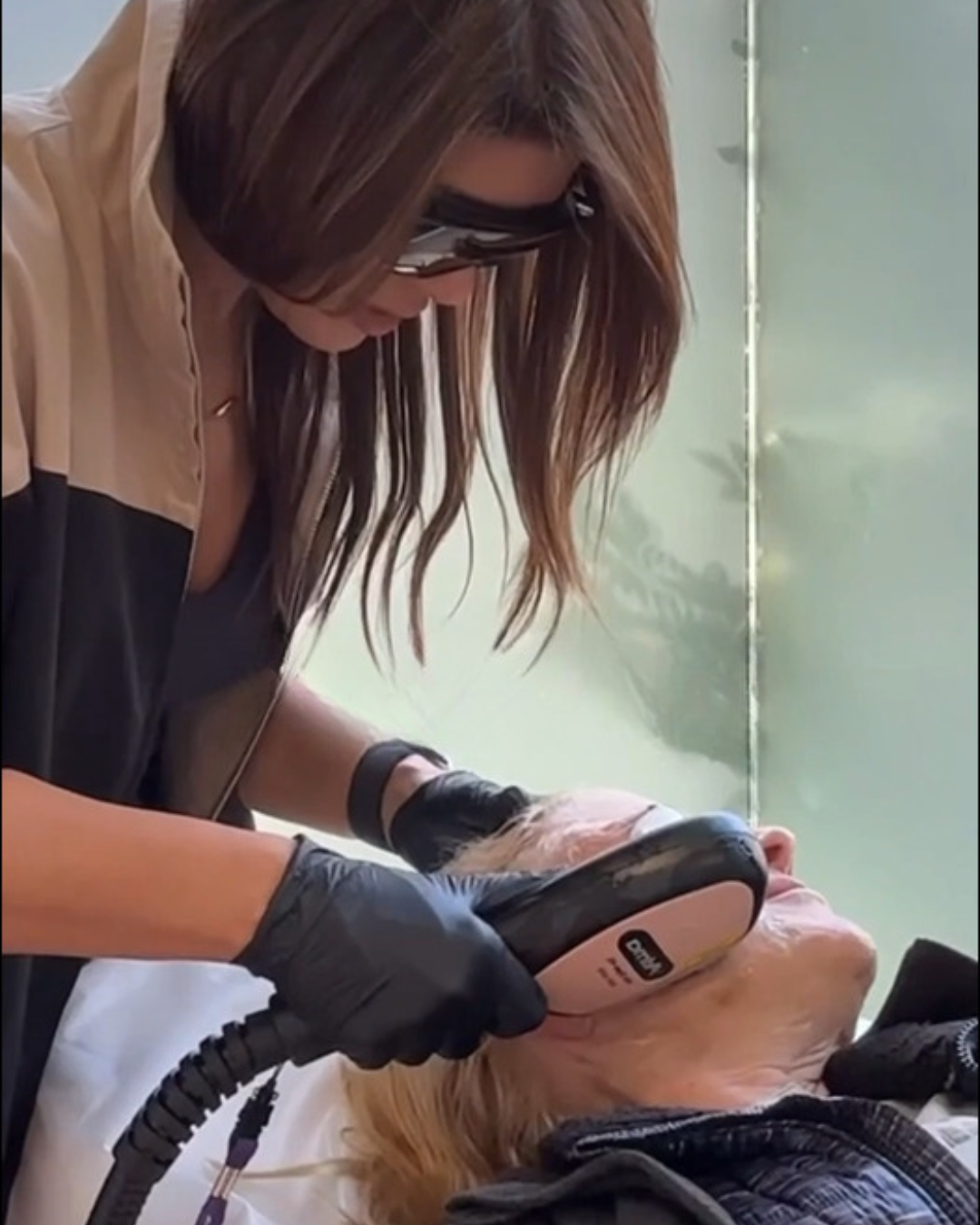
All cosmetic procedures carry risks and may not be suitable for everyone. Dr Maryam explains your full risk profile before any treatment is performed.
Redness, swelling or tenderness
Warmth, sensitivity or discomfort
Blistering, crusting or scabbing
Burns
Infection or delayed healing
Temporary or permanent pigmentation change
Scarring
Incomplete fading of the treated concern
Worsening or recurrence of pigmentation
Eye injury if appropriate protection is not used
Also assessed at consultation
Darker skin types, where pigmentation change risk is higher
Active rosacea or vascular conditions requiring medical review
Pigmentation that may be heat-sensitive or medically complex
Whether expectations about visible change are realistic
Whether referral or medical review is needed before proceeding
May not be suitable if you have
Pregnancy or breastfeeding
Recent sun exposure, tanning, fake tan or melanotan use
Active infection, irritation or broken skin in the area
A history of keloid or hypertrophic scarring
Certain medications, supplements or medical conditions
Frequently Asked Questions
-
Suitability depends on your skin type, tone and history. Dr Maryam assesses this at consultation before any treatment is booked in.
-
Temporary redness or sensitivity is common after treatment. Dr Maryam will explain your full risk profile and expected recovery at consultation.
-
This depends on your skin and goals, and is discussed during your consultation. Individual results vary from person to person.
-
Not always. Darker skin types carry a higher risk of pigmentation change, so skin type is a key factor Dr Maryam assesses before treatment.
-
Yes. Light-based treatments may cause temporary or permanent pigmentation change, including darkening or lightening of the treated area.
-
Recent tanning, fake tan or melanotan use may increase the risk of burns or pigmentation changes. Treatment may need to be delayed.