
Our clinic can provide consultations about LED therapy. During consultation, a practitioner will assess your concerns, review your medical history and discuss whether any cosmetic procedure may be appropriate.
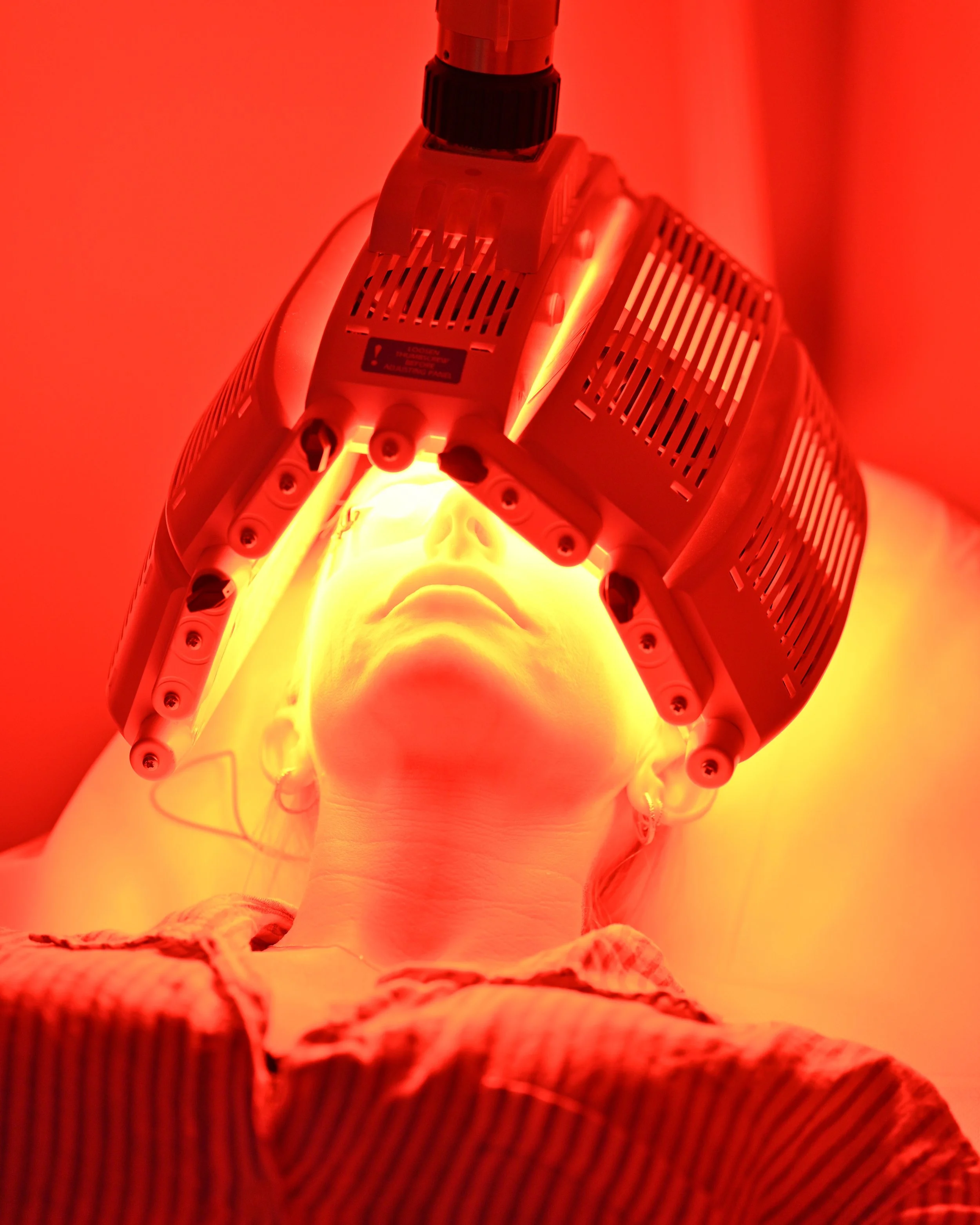
Omnilux LED therapy uses specific wavelengths of light applied at the skin surface in a clinical setting by trained practitioners.
Any change in appearance or skin comfort varies between individuals and cannot be guaranteed.
LED Therapy (Omnilux)
What may be discussed in consultation
For suitable individuals, consultation may address concerns relating to:
the appearance of skin redness
the appearance of skin tone and texture
the role of LED therapy as adjunctive care following certain procedures
These concerns are assessed during consultation to determine whether LED therapy, another cosmetic procedure, or no procedure may be appropriate.
LED therapy is not used to diagnose, treat or cure medical skin conditions.
How treatment planning works
During consultation, your practitioner will:
review your medical history, medications and relevant skin history
examine the treatment area
discuss your concerns and expectations
explain the possible procedure, its limitations and alternative options, including choosing not to proceed
During LED therapy, the treatment area is exposed to specific wavelengths of light delivered by an LED device.
Treatment planning, including wavelength selection, session duration and frequency, is determined after consultation and clinical assessment.
LED therapy may be used alone or as part of a broader cosmetic treatment plan, depending on your practitioner’s assessment.
Devices used in the clinic are included in the Australian Register of Therapeutic Goods (ARTG) where required and are operated according to their instructions for use.
Safety, Risks and Aftercare
All cosmetic procedures carry risks and may not be suitable for everyone.
Before any procedure is performed, your practitioner will:
review your medical history, medications and relevant health information
examine the treatment area
explain the proposed procedure, limitations and alternatives, including choosing not to proceed
discuss possible risks and side effects, including less common but more serious complications
Risks associated with procedures involving the jaw or surrounding areas may include:
swelling or redness
tenderness or discomfort
bruising
temporary muscle weakness
changes in skin sensation
infection or delayed healing
uneven or unexpected aesthetic outcomes
Pain and comfort levels vary between individuals and depend on the procedure used. Some procedures may cause sensations such as pressure, tightness or discomfort during or after treatment.
Written aftercare instructions will be provided if treatment is performed.
Frequently Asked Questions
We’re all about transparency and want to provide you with the information you need to make informed decisions about your aesthetic journey. If you have any additional questions or concerns, please reach out – our knowledgeable team is here to assist you every step of the way.
-
In suitable individuals, LED therapy may address the appearance of redness-prone or reactive skin, to complement other cosmetic treatments, and to provide gentle, non-invasive light exposure as part of a broader skin-care plan. It is considered adjunctive, not a stand-alone medical treatment.
-
A typical LED session takes around 15–30 minutes, depending on the area treated and the protocol being used.
-
LED therapy is often used as a course of sessions to build a cumulative effect, for example across several weeks. The number and frequency of sessions depend on your goals, skin type and any other treatments, and will be discussed with you; specific outcomes cannot be promised.
-
LED therapy is commonly used as a supportive step after other in-clinic procedures (such as certain resurfacing or needling treatments), when your practitioner considers it appropriate. Timing and combinations are planned to support safety and comfort.
-
Aftercare is usually simple and may include:
Using gentle skincare, especially if other procedures were performed
Applying broad-spectrum SPF 50+ and limiting sun exposure
Following any additional instructions related to companion treatments on the same day
If you notice unexpected or persistent symptoms, you should seek medical advice and let the clinic know.
-
LED therapy is generally avoided or used with caution in people with photosensitive conditions, those taking certain photosensitising medications, those with specific eye conditions, and individuals where light exposure could trigger seizures or other issues. Your practitioner will ask about these factors and may recommend not proceeding or seeking medical advice first if there is any concern.