
We know that variations in skin tone and pigmentation are a natural part of life. We also understand that some people may wish to discuss options that address the appearance of uneven skin tone.
Our clinic can provide consultations about the MelanoPro Peel System. During consultation, a practitioner will assess your concerns, review your medical history and discuss whether this cosmetic program or another option may be appropriate.
The MelanoPro Peel System is a clinician-supervised cosmetic program that combines an in-clinic peel with a structured home-care routine.
Any change in appearance varies between individuals and cannot be guaranteed.
MelanoPro Peel System (for visible pigmentation and uneven tone)
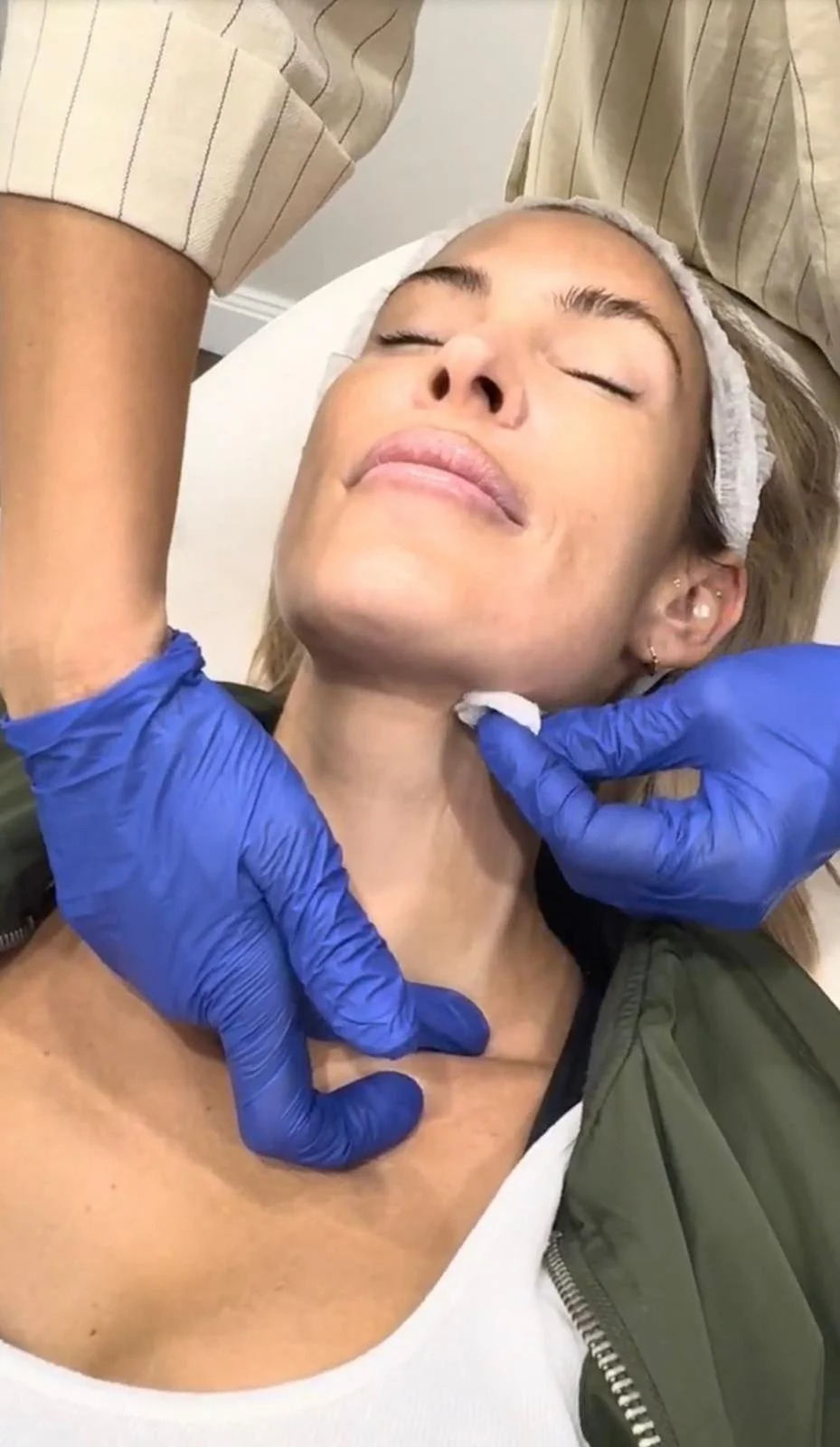
What may be discussed in consultation
For suitable individuals, consultation may address concerns relating to:
the appearance of uneven skin tone
the appearance of sun-related pigmentation
the appearance of post-blemish discolouration
These concerns are assessed during consultation to determine whether the MelanoPro Peel System, another cosmetic approach, or no procedure may be appropriate.
This program is not used to diagnose or treat medical pigment disorders.
How treatment planning works
During consultation, your practitioner will:
review your medical history, medications and relevant skin history
examine the treatment area and skin characteristics
discuss your concerns and expectations
explain the possible program, its limitations and alternative options, including choosing not to proceed
The program may include:
an in-clinic peel procedure using products selected according to your skin type and treatment history
a structured home-care phase, with products and instructions designed to support ongoing cosmetic exfoliation and pigment-focused care
Treatment planning, including product selection, frequency and duration, is determined after consultation and clinical assessment.
In some cases, your practitioner may recommend a different approach or no procedure.
Safety, Risks and Aftercare
All cosmetic procedures carry risks and may not be suitable for everyone.
Before any procedure is performed, your practitioner will:
review your medical history, medications and relevant health information
examine the treatment area
explain the proposed procedure, limitations and alternatives, including choosing not to proceed
discuss possible risks and side effects, including less common but more serious complications
Risks associated with procedures may include:
Redness, dryness, peeling and sensitivity
Uneven shedding or darkening of pigment
Irritation, allergic reaction or prolonged inflammation
In susceptible individuals, pigment changes or scarrings
Pain and comfort levels vary between individuals and depend on the procedure used. Some procedures may cause sensations such as pressure, tightness or discomfort during or after treatment.
Written aftercare instructions will be provided if treatment is performed.
Frequently Asked Questions
We’re all about transparency and want to provide you with the information you need to make informed decisions about your aesthetic journey. If you have any additional questions or concerns, please reach out – our knowledgeable team is here to assist you every step of the way.
-
The approach can be adjusted for different skin tones and sensitivities, but not everyone will be suitable. Depth, contact time and frequency are customised, and people with very reactive or pigment-prone skin may need a more conservative plan or medical review.
-
Timelines and outcomes differ between individuals, and no specific result can be guaranteed.
-
Your clinician will assess whether this cosmetic program is appropriate for you and may recommend medical review or alternative options.
-
In some cases, complementary options such as LED or hydrating facials may be introduced once the skin has settled, to support comfort and barrier care. Stronger treatments (for example, additional peels or lasers) are usually spaced out or deferred to avoid over-treating the skin.
-
Some ingredients commonly used in pigment programs are not recommended during pregnancy or breastfeeding. Your clinician will ask about this and, if relevant, may suggest an alternative, more conservative skin-care plan or advise delaying treatment.
-
The exact schedule is individualised.