
Men’s Hair Treatment
At Ageless Clinics, Men’s Hair Treatment plans focus on non-surgical, cosmetic approaches aimed at supporting the appearance of scalp condition and hair vitality.
The emphasis is on improving how the hair and scalp look and feel, rather than treating underlying medical causes of thinning or shedding.
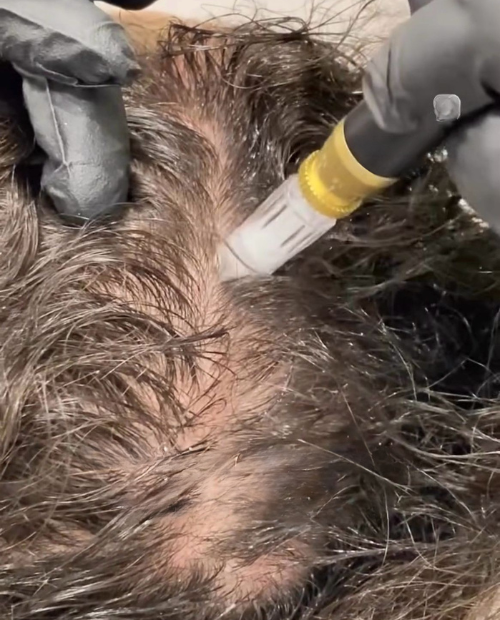
What May Be Discussed in Consultation
For suitable individuals, consultation may address concerns relating to:
areas where hair appears less dense
scalp dryness or flaking
scalp comfort and surface condition
general hair appearance and grooming routines
These discussions help determine whether any cosmetic scalp care options may be appropriate.
This service is not intended to diagnose or treat medical hair loss conditions, including androgenetic alopecia, scarring alopecia or scalp disease.
How Consultation and Treatment Planning Works
After reviewing relevant medical and scalp history, your practitioner may discuss cosmetic scalp care options that could be appropriate for your concerns.
Examples of options that may be discussed include:
scalp-care approaches aimed at supporting hydration and comfort of the scalp surface
light or energy-based procedures used in suitable settings within a cosmetic treatment plan
home-care guidance, including scalp cleansing routines, product selection and sun protection where relevant
Treatment plans are determined after clinical assessment and may include recommending no in-clinic procedure if this is considered appropriate.
Where clinically indicated, medical options or prescription-only treatments may be discussed privately during consultation with a registered health practitioner in accordance with TGA and AHPRA regulations. These treatments are not advertised on this page.
Safety, Risks and Aftercare
All cosmetic procedures carry risks and may not be suitable for everyone.
Risks for non-surgical cosmetic procedures will be discussed in detail during consultation but may include, depending on the procedure:
redness, swelling or bruising at the treatment site
tenderness or temporary discomfort
changes in skin colour or pigmentation
infection or delayed healing
uneven or unexpected aesthetic outcomes
Less common but more serious complications may occur.
Your practitioner will explain the specific risks relevant to the procedure being considered, as well as expected recovery considerations and aftercare requirements.
Written aftercare instructions will be provided if treatment is performed.
Frequently Asked Questions
We’re all about transparency and want to provide you with the information you need to make informed decisions about your aesthetic journey. If you have any additional questions or concerns, please reach out – our knowledgeable team is here to assist you every step of the way.
-
It is a non-surgical, cosmetic treatment plan designed to address the appearance of scalp condition and hair vitality in men. It focuses on how the hair and scalp look and feel, rather than treating underlying medical causes of hair loss.
-
Timing and degree of change vary between individuals and cannot be guaranteed.
-
Your practitioner will explain what to expect for any treatments proposed.
-
This depends on your scalp, hair pattern and chosen modalities. Some plans may involve a series of 4–6 sessions spaced over several weeks, followed by review. Your clinician will outline a proposed schedule and explain that it may be adjusted based on response.
-
No. These treatments are cosmetic and are not intended to diagnose, treat or prevent medical hair loss or scalp disease. If you have significant thinning, sudden shedding, patchy loss or concerning scalp symptoms, you should see your GP or dermatologist for medical assessment.
-
Possible side effects include:
Short-term redness, sensitivity, mild itchiness or tightness
Occasional dryness or flaking
Less common events, such as irritation, allergic reaction or infection, will be discussed if relevant to the approach being considered.
-
For suitable individuals, cosmetic scalp treatments can be well tolerated when performed by trained practitioners using appropriate products and devices (including, where required, those included in the Australian Register of Therapeutic Goods). However, all procedures carry risk and no outcome can be guaranteed.
-
In some cases, yes. LED-based approaches may be included as part of a broader scalp-conditioning plan, provided timing and skin tolerance are appropriate. Your practitioner will advise on safe combinations and spacing.
-
It depends, but you may be asked to:
Avoid washing your hair, excessive heat and vigorous exercise for at least 24 hours, or as advised
Follow any specific product and styling guidance for a short period
Your clinician will clarify what to expect after each session.
-
Some may be advised to defer or avoid cosmetic scalp treatments if you have:
Active scalp infections, open wounds, or untreated inflammatory conditions (such as severe psoriasis or dermatitis)
Recent surgery or procedures affecting the same area
Significant, unexplained hair loss that has not been medically assessed
In these situations, medical review is recommended before cosmetic treatment is considered.