
Pigmentation
We know that changes in skin tone are a natural part of life. We also understand that some people may wish to discuss options that address the appearance of skin tone variations.
Our clinic can provide consultations about pigmentation concerns. During consultation, a practitioner will assess your concerns, review your medical history and discuss cosmetic options that may be appropriate within the clinic’s scope of practice.
Any change in appearance, and how noticeable it is, varies between individuals and cannot be guaranteed.
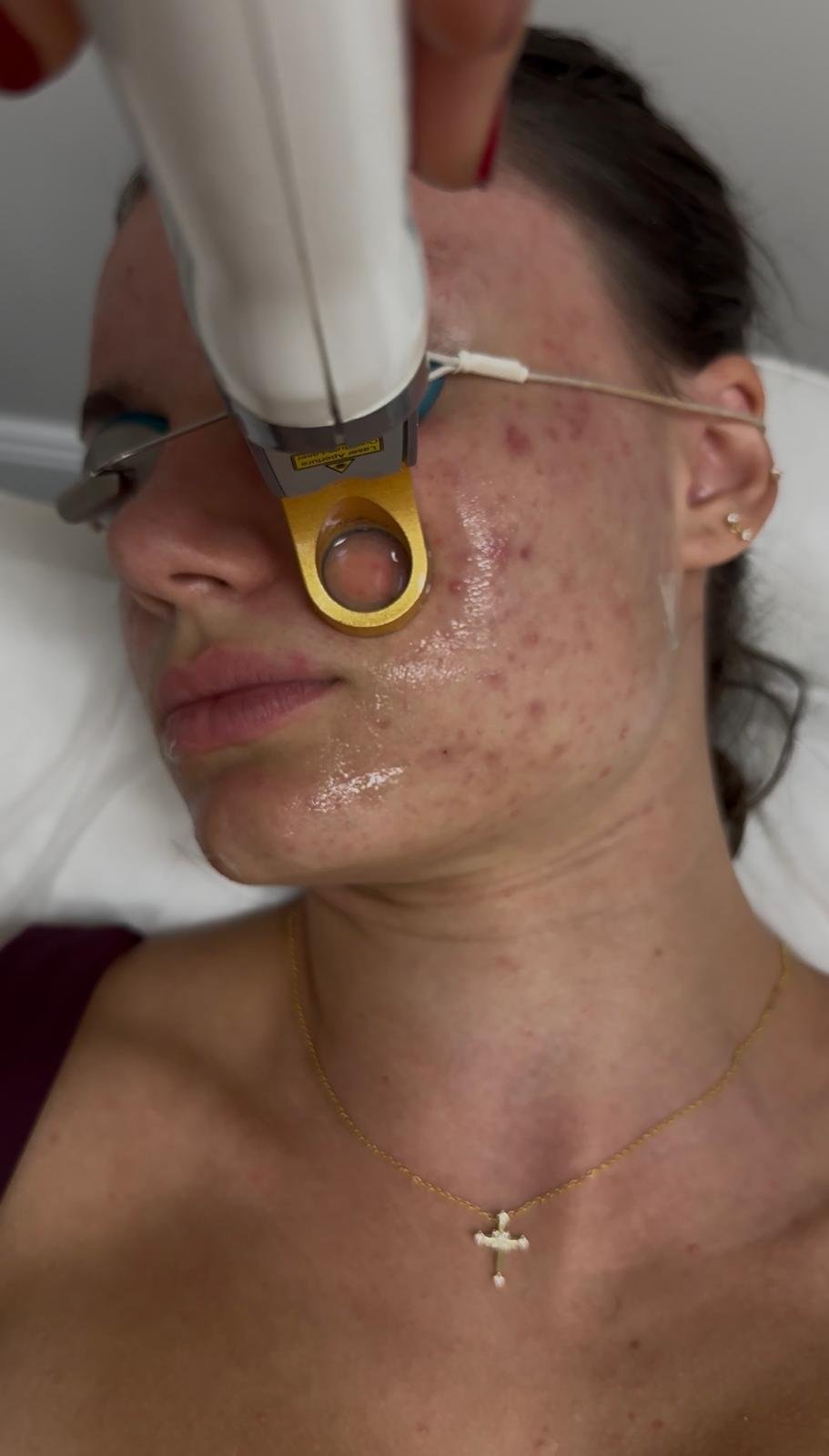
How treatment planning works
After reviewing your medical history and examining the skin, your practitioner may discuss cosmetic options that could be considered.
This may include:
skin typing and pigment assessment to better understand the pattern and depth of pigmentation
chemical peels selected according to skin type and tolerance
light- or laser-based procedures where appropriate for your skin type
home-care guidance using skincare products selected for your skin
sun-protection advice as part of ongoing skin care planning
Some pigmentation concerns, including uncertain lesions or more complex presentations, may require review by a GP or dermatologist.
Treatment planning, including timing, number of sessions and review intervals, is determined after consultation and clinical assessment.
In some cases, your practitioner may recommend an alternative approach or no procedure.
What may be discussed in consultation
For suitable individuals, consultation may address concerns relating to:
the appearance of skin tone variations
the appearance of post-blemish or post-irritation marks
the appearance of uneven patches of pigmentation
the appearance of overall skin tone
These concerns are assessed during consultation to determine whether any cosmetic procedures may be appropriate.
Safety, Risks and Aftercare
All cosmetic procedures carry risks and may not be suitable for everyone.
Before any procedure is performed, your practitioner will:
review your medical history, medications and relevant health information
examine the treatment area
explain the proposed procedure, limitations and alternatives, including choosing not to proceed
discuss possible risks and side effects, including less common but more serious complications
Risks associated with procedures may include:
redness or swelling
dryness or peeling
skin sensitivity or irritation
pigmentation changes
infection or delayed healing
temporary muscle weakness
uneven or unexpected aesthetic outcomes
Pain and comfort levels vary between individuals and depend on the procedure used. Some procedures may cause sensations such as warmth, tingling, tightness, discomfort or pressure during or after treatment.
Written aftercare instructions will be provided if treatment is performed.
Frequently Asked Questions
We’re all about transparency and want to provide you with the information you need to make informed decisions about your aesthetic journey. If you have any additional questions or concerns, please reach out – our knowledgeable team is here to assist you every step of the way.
-
Commonly, we see sun-related uneven tone and post-inflammatory marks (for example, after breakouts or irritation). Suitability is assessed individually. Certain conditions—such as suspicious lesions, rapidly changing spots or complex melasma—may be better managed or co-managed by a GP or dermatologist.
-
The timing and extent of visible change depend on pigment type, depth, skin type and sun behaviour, and no particular result can be promised.
-
Some approaches can be adapted for deeper skin tones, but not all treatments are suitable. Darker skin types require conservative settings, careful product selection and very diligent sun protection to help reduce the risk of post-inflammatory hyperpigmentation or lightening. Your practitioner will advise what is, and is not, appropriate for your skin.
-
Yes. Pigmentation is often influenced by ongoing sun exposure, hormones, genetics and inflammation. Even after visible improvement, new or recurring pigmentation can develop. Long-term management commonly includes strict UV protection, maintenance skincare and, in some cases, periodic in-clinic review.
-
In some cases, pigment-focused peels and selected light- or laser-based treatments may be combined as part of a staged plan, if this is considered clinically appropriate. Combinations are planned case-by-case, with timing and settings adjusted for your skin type to support safety and recovery. For some individuals, combination treatment may not be recommended.
-
Your practitioner may recommend:
Daily broad-spectrum SPF 50+ and protective measures (hats, shade where possible)
Gentle cleansers and moisturisers suited to your skin
Carefully selected pigment-targeting actives (for example, vitamin C or other brightening agents) introduced gradually, where appropriate
Home care does not replace medical treatment for pigmentary disorders, but it can be an important part of maintaining skin comfort and supporting cosmetic results where treatments are suitable.