
We know that variations in skin texture, pores and skin firmness are a natural part of life. We also understand that some people may wish to discuss options that address the appearance of these changes.
Our clinic can provide consultations about radiofrequency (RF) microneedling. During consultation, a practitioner will assess your concerns, review your medical history and discuss whether any cosmetic procedure may be appropriate.
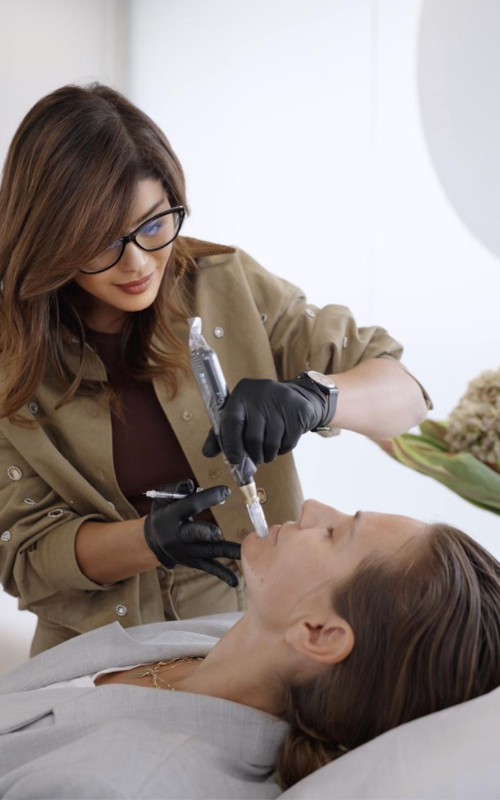
RF microneedling is a device-based cosmetic procedure that uses fine needles combined with radiofrequency energy delivered to selected layers of the skin in a clinical setting.
Any change in appearance, and how noticeable it is, varies between individuals and cannot be guaranteed.
RF Microneedling
What may be discussed in consultation
For appropriate candidates, RF microneedling may be used with the intention of improving the appearance of:
Uneven or coarse surface texture
Enlarged-looking pores
Early, mild changes in firmness
Suitability depends on skin type, medical history, treatment area and expectations.
How treatment planning works
During consultation, your practitioner will:
review your medical history, medications and relevant skin history
examine the treatment area
discuss your concerns and expectations
explain the possible procedure, its limitations and alternative options, including choosing not to proceed
During RF microneedling, fine needles create controlled micro-channels in the skin while radiofrequency energy may be delivered to selected layers beneath the surface.
Treatment planning, including device settings, treatment area and number of sessions, is determined after consultation and clinical assessment.
In some cases, your practitioner may recommend an alternative approach or no procedure.
Safety, Risks and Aftercare
All cosmetic procedures carry risks and may not be suitable for everyone.
Before any procedure is performed, your practitioner will:
review your medical history, medications and relevant health information
examine the treatment area
explain the proposed procedure, limitations and alternatives, including choosing not to proceed
discuss possible risks and side effects, including less common but more serious complications
Risks associated with procedures involving the jaw or surrounding areas may include:
swelling or redness
tenderness or discomfort
bruising
temporary muscle weakness
changes in skin sensation
infection or delayed healing
uneven or unexpected aesthetic outcomes
Pain and comfort levels vary between individuals and depend on the procedure used. Some procedures may cause sensations such as pressure, tightness or discomfort during or after treatment.
Written aftercare instructions will be provided if treatment is performed.
Frequently Asked Questions
We’re all about transparency and want to provide you with the information you need to make informed decisions about your aesthetic journey. If you have any additional questions or concerns, please reach out – our knowledgeable team is here to assist you every step of the way.
-
After assessment, RF microneedling may be considered to address the appearance of uneven texture, enlarged-looking pores and early signs of laxity in suitable individuals. It is not appropriate for all concerns or all skin types, and your practitioner may recommend other options instead.
-
Your practitioner will advise what to expect based on your treatment settings and area.
-
The timing and extent of visible change differ between individuals and cannot be guaranteed.
-
RF microneedling is often delivered as a course of treatments, for example several sessions spaced about a month apart, followed by review. The number of sessions depends on your concerns, skin response and tolerance, and cannot be set with certainty in advance.
-
RF microneedling is not suitable for everyone. Some devices and settings can be adapted for a range of skin tones, but there may be a higher risk of pigment change in medium to deeper skin types. Your practitioner will assess your skin and may recommend alternative treatments if the risk is considered too high.
-
Key aftercare steps may include:
Avoiding heat, intense exercise and makeup for a period suggested by your practitioner
Using gentle cleansers and moisturisers only, until the skin has settled
Avoiding harsh exfoliants or strong active ingredients until cleared by your practitioner
Applying broad-spectrum SPF 50+ every day and limiting sun exposure
If anything about your recovery feels unexpected or worrying, you should seek medical advice promptly and contact the clinic.
-
In some cases, RF microneedling may form part of a broader treatment plan that includes other modalities (such as certain lasers or light-based procedures). Any combination needs to allow adequate healing time and must take into account your skin type, medical history and previous treatments. Your practitioner will advise whether combining procedures is appropriate for you, and some combinations may be avoided for safety reasons.
-
RF microneedling is generally not recommended for people who are pregnant or breastfeeding, have active infection, open wounds, cold sores or significant dermatitis in the area, have very recent isotretinoin use (unless cleared by an appropriate specialist), are prone to abnormal scarring, or have certain medical conditions or medications that increase risk. In some deeper skin tones, the risk of pigment change may also mean other options are preferable. Suitability is assessed individually at consultation.