
Skin Cancer Check
Australia’s high UV exposure means regular skin observation and monitoring can be an important part of caring for your skin over time.
At Ageless Clinics, qualified clinicians perform structured skin observations using dermoscopy and digital mole mapping to document moles and other visible lesions and to identify those that may require medical review by a GP or dermatologist.
This service is observational and documentation-based. It does not include diagnosis, biopsy or treatment of skin cancer.
What the Appointment Involves
Dermoscopy
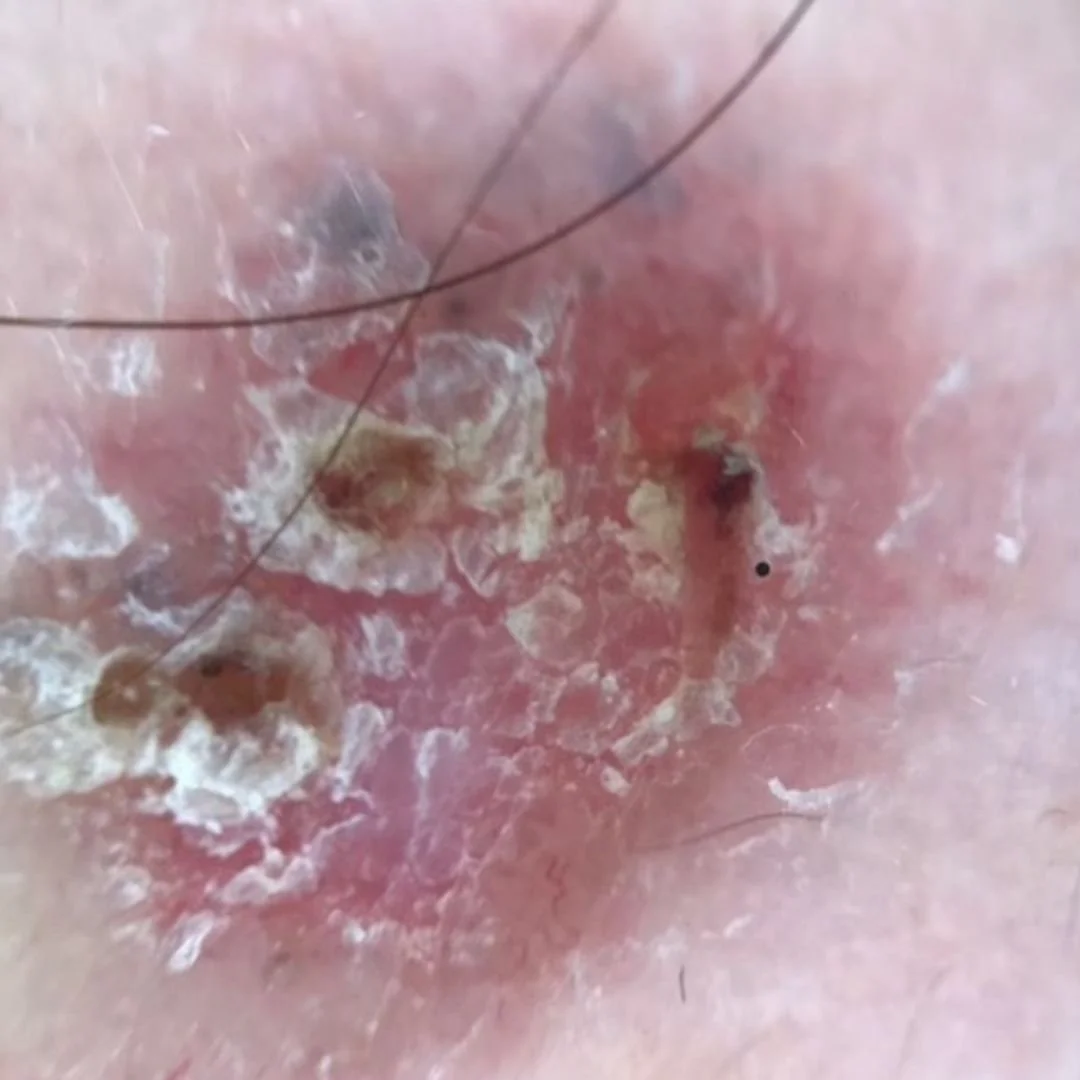
A dermatoscope is a magnifying light device that allows clinicians to observe certain structures within moles and skin lesions more closely than with the naked eye.
If any findings appear atypical, evolving or otherwise concerning, they are flagged and you will be advised to seek medical assessment from a GP or dermatologist.
Mole Mapping
Digital mole mapping involves taking clinical photographs of moles and pigmented spots across selected body areas to create a visual record.
During follow-up visits, these images may be compared with previous photographs to help detect new or changing lesions, which may then be referred for medical evaluation if indicated.
Why ongoing monitoring may help
For many people, structured observation and documentation can:
Provide a baseline visual record of moles and pigmented spots
Help identify new, enlarging or changing lesions that may require medical review
Complement regular self-checks and sun-protection habits (such as SPF use, hats and shade)
Skin checks performed at Ageless Clinics are observational services and do not replace a full skin cancer assessment by a doctor.
If any lesion appears suspicious, changing or uncertain, you will be referred to a GP or dermatologist for further investigation and, if appropriate, biopsy.
Your Visit, What to Expect
Consultation & Histor
Your appointment will usually begin with a discussion about:
your skin concerns
any personal or family history of skin cancer or melanoma (if known)
your sun exposure patterns and protective habits
Full-Skin Observation (within agreed areas)
A visual and dermoscopic review of the agreed skin areas is performed in a private clinical setting, respecting your comfort and boundaries.
Digital Mapping (if selected)
If digital mole mapping is chosen, clinical photographs are taken of agreed areas to create a secure visual record for future comparison.
Findings & Next Steps
At the end of the appointment:
a summary of observations is discussed with you
any lesions considered uncertain, changing or suspicious are highlighted
you will be advised to seek medical review with a GP or dermatologist
Where appropriate, you may also be provided with documentation to share with your chosen medical practitioner.
Safety, Risks and Aftercare
Skin observation and mole mapping are non-invasive procedures.
Before your appointment, your clinician will:
explain the purpose and limitations of the service
confirm that the assessment is observational only and not a medical diagnosis
answer any questions you may have about the process
Possible considerations include:
discomfort from positioning during the examination
awareness of skin concerns that may require further medical evaluation
If any lesion requires further assessment, you will be advised to seek medical review with a GP or dermatologist as soon as reasonably possible.
Frequently Asked Questions
We’re all about transparency and want to provide you with the information you need to make informed decisions about your aesthetic journey. If you have any additional questions or concerns, please reach out – our knowledgeable team is here to assist you every step of the way.
-
It is a professional visual and dermoscopic review of your skin to document moles and other lesions, highlight any areas of concern, and recommend medical follow-up when needed. It is an observational service, not a diagnostic consultation.
-
Dermoscopy uses a magnifying lens and light to view skin structures more clearly. It is non-invasive and does not involve radiation.
-
Digital mole mapping provides a photographic record of your moles and other pigmented lesions. On future visits, these images can be compared to help identify new or changing spots that may need assessment by a GP or dermatologist.
-
People who may benefit include those who:
Have multiple moles or extensive sun exposure
Have a personal or family history of skin cancer or melanoma
Prefer a structured way to track visible changes over time
Your GP or dermatologist can also advise whether this type of monitoring is appropriate for you.
-
The ideal interval depends on your individual risk factors (for example, skin type, history of sunburn, personal or family history of skin cancer). Your GP or dermatologist is best placed to advise on frequency for you.
-
No. Skin cancer cannot be diagnosed at this visit. Diagnosis requires assessment by a medical practitioner and, where indicated, biopsy/histopathology. Our role is to document, observe and refer suspected lesions for medical investigation.
-
You will be given a summary of observations and areas recommended for medical follow-up. Images are stored securely in line with privacy standards. With your consent, relevant information or images may be shared with your chosen GP or dermatologist.
-
In some cases, older children or teenagers with multiple moles or parental concerns may be observed. Decisions are made case-by-case, and we often encourage parallel or primary care with a GP or paediatric dermatologist for young patients.
-
Coverage for skin cancer assessment and biopsy relates to services provided by medical practitioners (such as GPs or dermatologists) and depends on Medicare rules and your insurer. The observational and mapping services at Ageless Clinics are generally privately billed. For questions about rebates on medical skin checks, you should speak directly with your GP clinic, dermatologist or insurer.